

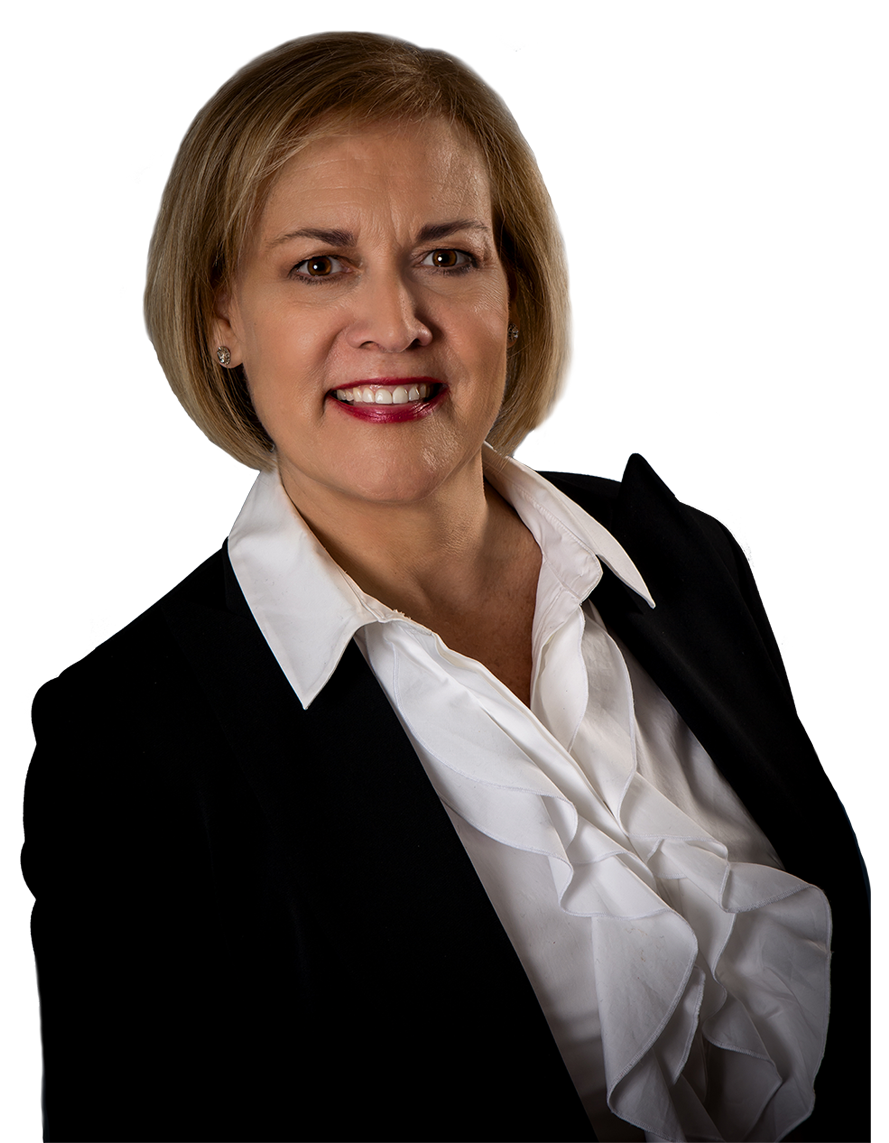


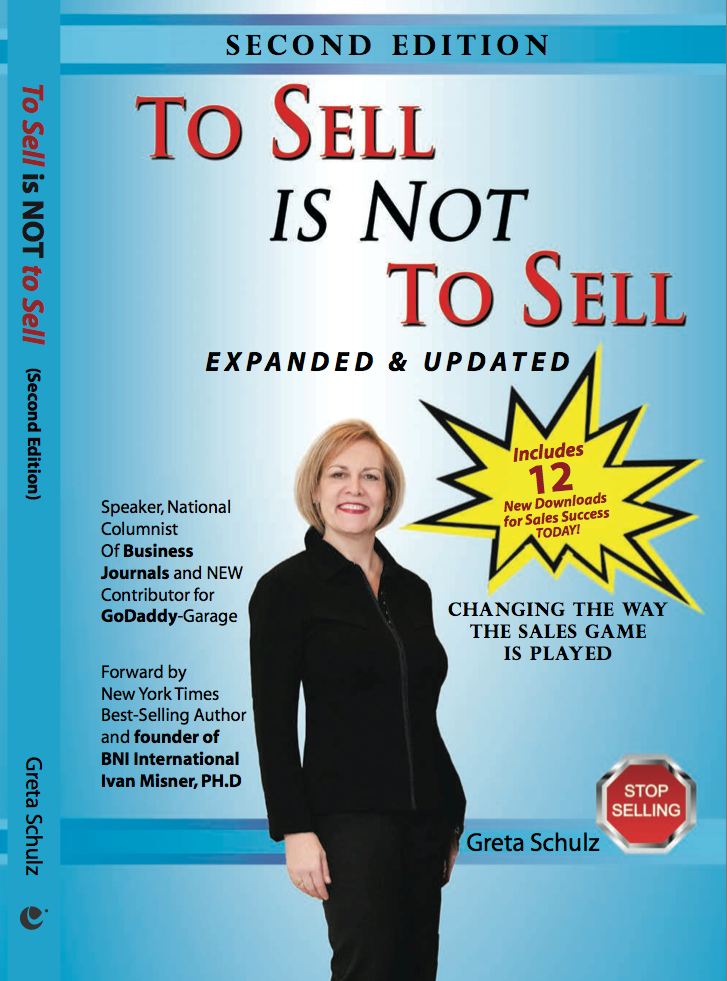
The book is written in ‘small doses’ of easy to read nuggets of advise. “Most sales people have a need for new and different information but don’t want to learn it from a long, drawn out advise book.”, says Ms. Schulz. Schulz touches such subjects as; Hiring and managing sales people, how to prospect properly, networking for true success and creating a natural close for the sale.
...I wanted to take a moment, to give you my heartfelt thanks for not only making and leaving for wonderful mark on me and many others but for doing so in only the way you can! I enjoy your book and of course am thoroughly convinced that you are great. No qualms on that statement. I say it from the heart and thank you more so, for confirming that what I sensed and now know is true that functioning from a place of truth, high ethics and conviction is a great place to be coming from in all matters of life!
Hi Greta, I wanted to thank you again for an outstanding keynote today – you nailed it just as we planned, prepared and expected. The time you took up front to meet with Juan and (me, a 3-hour face time meeting) was well deserving towards achieving the end results.Your message was relevant and spot on to our sales processes and helping provide techniques to our attendees that are tangible and applicable. Fantastic job and it was true pleasure working with you.
Greta, Thank you so much for traveling to the panhandle to help us build Vistage and add value to our members. Your presentation was dead on and our CEO members really related to your sales strategy. You are a great addition to the Vistage community. Best Always.
Based on your help so far I can attribute over $100,000 of new sales to my desk for this year.
Greta Schulz has been an extremely valuable addition to the Vistage Florida speaking circuit since early 2009. She has presented her program called “5 Things Every CEO Should Know to Grow Business” to almost 40 Groups of CEOs and Key Executives throughout Florida, with very high marks...I would highly recommend Greta for any organization looking for an expert speaker on Sales, Sales Management, or Marketing.
Greta , Thank you for making our training great!!! You are making our team better. Thank you for the book.Cant wait to read it.

5 Best On-Boarding Tips What Is On-boarding? Taking a step back, let’s define the term “on-boarding.” Many see on-boarding through the narrow lens of new hire paperwork and orientation. It is mistakenly defined on the bases on what they need to learn. Sure, this is a key part of on-boarding, but it is not the


What’s Their Self-Talk Costing You? What is your self-talk costing you? First, let’s define self-talk. Self-talk is the way you talk to yourself, or your inner voice. You might not be aware that you’re doing it, but you almost certainly are. This inner voice combines conscious thoughts with inbuilt beliefs and biases to create an
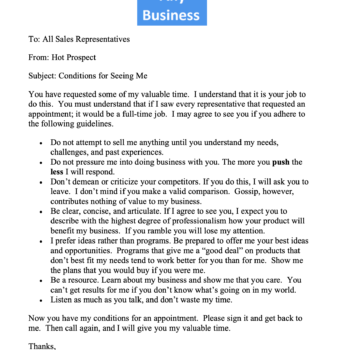
Hot Prospect Letter This Hot Prospect Letter is so on point when I speak to salespeople that truly don’t get it! I wish I could take the credit for putting together this letter. I did not. I found it online and if the author comes forward I will be happy to give them the credit!
What is Leadership? What is Leadership?Watch this video on YouTube Leadership is one of those things that everyone seems to know what a leader is yet no one can really define it. Here is one definition:”Leadership is the ability of an individual or a group of individuals to influence and guide followers or other members
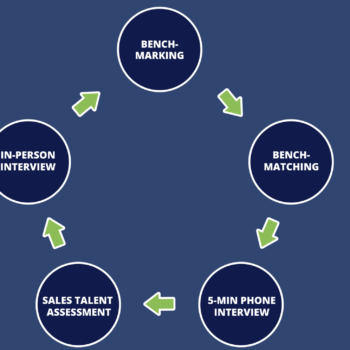
Are you hiring naked? Not sure what that means? We often hire from our gut, or from experience on a resume. Find out why that is so wrong!! Stop hiring naked! Download this white paper to help explain it Why use a sales assessment? What are the steps to fool-proof sales hiring? Benchmarking. The first
What are those top 10 traits that require zero talent? So many sales managers are looking for those special skills to hire in a salesperson. Those are special traits that we want. A successful salesperson has things like; drive, persistence, experience, contacts, etc. So what are the 10 traits that require zero talent and why